

Invisalign
Invisalign clear aligners offer a discreet, removable way to straighten teeth and improve selected bite and alignment concerns without traditional metal brackets and wires.
At Texan Smile Family & Cosmetic Dentistry, Dr. Sneha Xavier can evaluate your teeth and bite, discuss what you would like to change and determine whether Invisalign treatment may be appropriate for your needs.
Call 832-271-8280 or schedule an appointment to discuss clear aligner treatment.

What Is Invisalign?
Invisalign treatment uses a series of custom clear aligners designed to gradually move teeth toward planned positions. The aligners are removable, which allows you to take them out for eating, drinking, brushing and flossing.
Unlike traditional braces, clear aligners do not use visible metal brackets across the front of the teeth. Small tooth-colored attachments may sometimes be used to help achieve specific movements.
Invisalign is not the right treatment for every orthodontic problem. An examination is needed to determine whether clear aligners can predictably address your particular alignment or bite concerns.
What Can Invisalign Help Correct?
Depending on the individual case, clear aligner treatment may be considered for concerns such as:
- Crowded or overlapping teeth.
- Spaces or gaps between teeth.
- Certain overbite or deep-bite concerns.
- Certain crossbite concerns.
- Selected alignment problems involving the front or back teeth.
- Teeth that have shifted after previous orthodontic treatment.
The type and severity of tooth movement needed will help determine whether Invisalign is appropriate or whether another orthodontic approach should be considered.
Am I a Candidate for Invisalign?
Before starting clear aligner treatment, Dr. Xavier will evaluate your teeth, gums, bite and overall oral health. Existing dental problems may need to be addressed before orthodontic movement begins.
Invisalign treatment also requires patient participation. Because the aligners are removable, they need to be worn consistently according to your treatment instructions in order to move teeth as planned.
During your consultation, we can discuss your goals, the movements needed and whether clear aligner treatment is a reasonable option for your case.
For help understanding alignment terms, read our guide to normal bites and common bite problems. Parents can also explore Invisalign for teens for practical questions about daily routines and treatment planning.
How Invisalign Treatment Works
Your specific treatment sequence will depend on your orthodontic needs, but Invisalign treatment generally includes the following steps:
- Evaluation. Dr. Xavier examines your teeth, bite and oral health and discusses your treatment goals.
- Digital records. Appropriate photographs, imaging and digital impressions may be used to plan treatment.
- Treatment planning. The desired tooth movements are planned and your custom aligner series is created.
- Starting your aligners. You receive instructions for wearing and caring for your aligners. Tooth-colored attachments may be placed when needed.
- Progress visits. Your tooth movement is monitored periodically and adjustments can be made when appropriate.
- Refinement if needed. Additional aligners may sometimes be used to fine-tune the result.
- Retention. After active tooth movement is complete, retainers help maintain the new positions of your teeth.
What Is It Like to Wear Invisalign Aligners?
Your aligners are designed to be removable, but successful treatment depends on wearing them consistently according to the instructions provided for your case.
- Remove aligners when eating unless instructed otherwise.
- Brush and floss your teeth before placing clean aligners back in your mouth when possible.
- Clean your aligners according to the instructions provided by the dental team.
- Keep aligners safely stored in their case when they are not being worn.
- Contact the office if an aligner is lost, damaged or no longer fitting as expected.
You may notice temporary pressure or tenderness as teeth begin moving. Your individual experience can vary throughout treatment.
How Long Does Invisalign Treatment Take?
There is no single treatment timeline that applies to every patient. Treatment length depends on the amount and type of tooth movement required, the complexity of your bite and how consistently the aligners are worn.
After evaluating your case and developing a treatment plan, Dr. Xavier can discuss the expected treatment sequence and approximate timeline for your individual situation.
Invisalign vs. Traditional Braces
Both clear aligners and traditional braces are designed to move teeth, but they work differently and each approach has advantages for particular cases.
- Appearance: Invisalign aligners are clear and less noticeable when worn.
- Removability: Clear aligners can be removed for eating and oral hygiene.
- Patient participation: Aligners require consistent wear because they are removable.
- Case complexity: Some orthodontic problems may be better suited to braces or other treatment approaches.
The best option depends on your bite, the movements required and your individual treatment goals.
Will I Need a Retainer After Invisalign?
Yes, retention is an important part of orthodontic treatment. Teeth can shift after active treatment is complete, so retainers are generally used to help maintain the new tooth positions.
The type of retainer and how often it should be worn depend on your individual treatment and Dr. Xavier’s recommendations.
Invisalign Consultation with Dr. Sneha Xavier
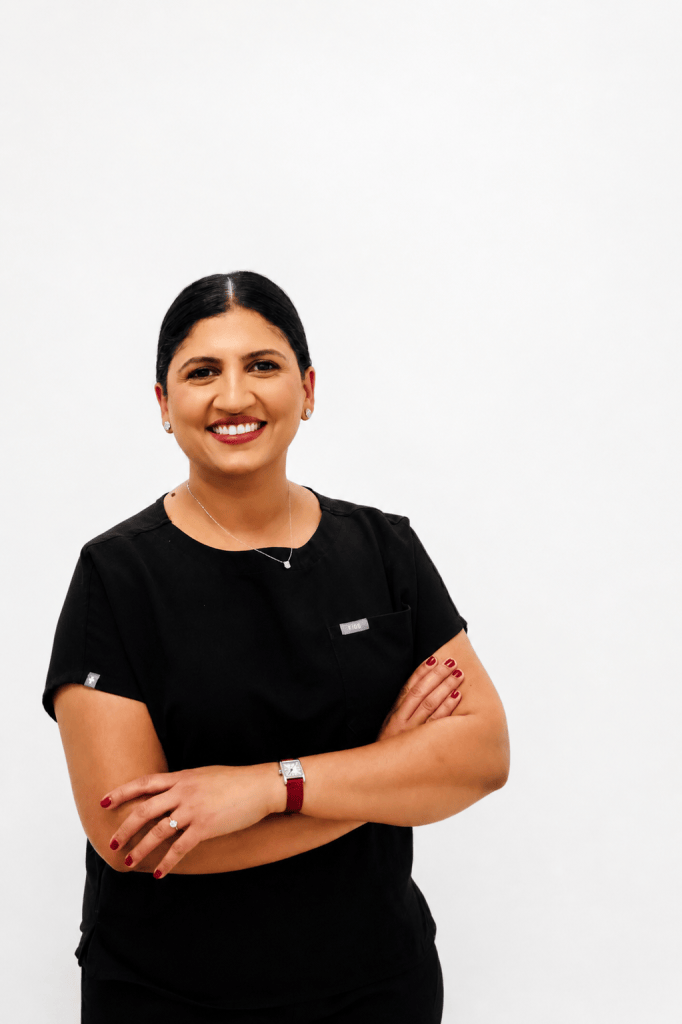
Dr. Sneha Xavier provides Invisalign clear aligner treatment at Texan Smile Family & Cosmetic Dentistry in Sugar Land.
During your evaluation, Dr. Xavier can discuss the changes you would like to make, evaluate your bite and oral health and explain whether clear aligner treatment may be appropriate.
Learn more about Dr. Sneha Xavier and her approach to patient care.
Invisalign Cost, Insurance & Payment Options
The cost of Invisalign treatment varies according to the complexity of your case, the amount of tooth movement needed and the overall treatment plan.
Some dental insurance plans include orthodontic benefits that may apply to clear aligner treatment. Coverage, age limits, lifetime orthodontic maximums and other plan rules vary by policy.
Our team can review the insurance benefit information available for your plan and provide a treatment estimate after your Invisalign evaluation.
Learn more about dental insurance and payment plans and financing options at Texan Smile.
Invisalign FAQs
Is Invisalign right for everyone?
No. Invisalign can treat many alignment and bite concerns, but some cases may be better suited to another orthodontic approach. An evaluation is needed to determine whether clear aligners are appropriate.
Can I remove Invisalign aligners?
Yes. Invisalign aligners are removable, including for eating and oral hygiene. However, they must be worn consistently according to your treatment instructions for treatment to progress as planned.
How often will I need appointments?
The frequency of progress visits varies according to your treatment plan and how your teeth are responding. Dr. Xavier will explain the follow-up schedule appropriate for your case.
Can Invisalign fix gaps or crowded teeth?
Invisalign may be able to improve many cases involving spacing or crowding. The severity and type of tooth movement required will determine whether clear aligners are appropriate.
Will I need retainers after treatment?
Retainers are generally used after orthodontic treatment to help maintain tooth positions. Dr. Xavier will recommend a retention plan based on your individual case.
Considering Invisalign in Sugar Land?
Schedule an evaluation with Dr. Sneha Xavier to discuss your smile goals and find out whether Invisalign clear aligners may be appropriate for you.
Texan Smile Family & Cosmetic Dentistry
4821 LJ Parkway, Suite 30
Sugar Land, TX 77479
832-271-8280
Reviewed by Dr. Sneha Xavier, DMD – Family & Cosmetic Dentist in Sugar Land, TX.
Dental Disclaimer: This page provides general educational information about Invisalign and clear aligner treatment. Candidacy, treatment duration, aligner wear instructions, attachments, refinements, retention needs and expected results vary by patient and require an individual dental and orthodontic evaluation.