

Dental Crowns
A cracked, weakened, heavily filled or worn tooth may need more protection than a filling alone can provide. A dental crown in Sugar Land can cover and restore the visible portion of the tooth while helping improve its strength, function and appearance.
At Texan Smile Family & Cosmetic Dentistry, Dr. Sneha Xavier evaluates the tooth, your bite and your restorative needs before recommending whether a crown or another treatment is appropriate.
Crowns can be used for both restorative and cosmetic reasons, but the right treatment depends on how much healthy tooth structure remains and what is causing the problem.

What Is a Dental Crown?
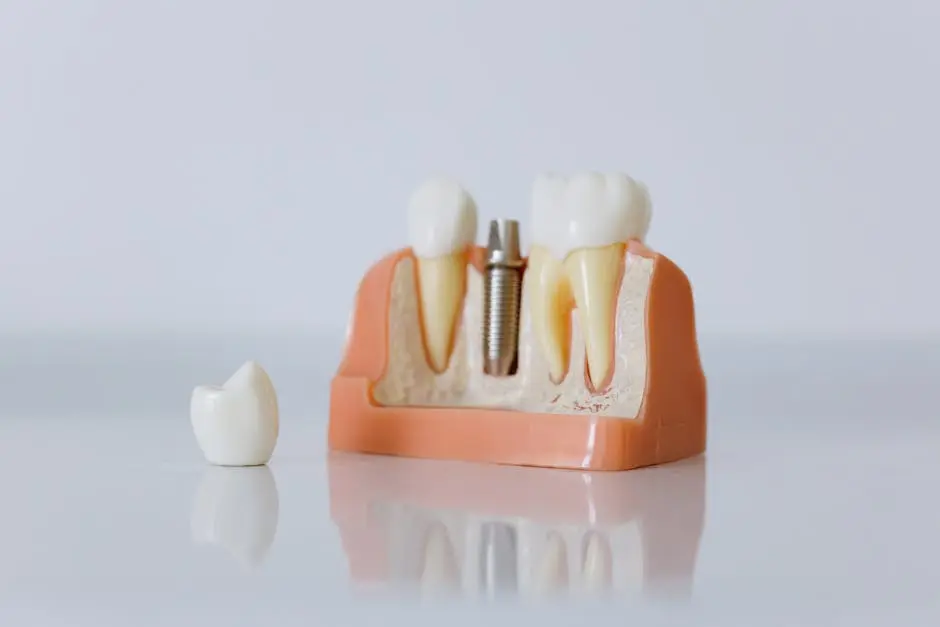
A dental crown is a custom restoration that covers the visible portion of a tooth. It is sometimes called a “cap.”
A crown may be recommended when a tooth needs more coverage or structural support than a smaller restoration can provide.
- Protecting a weakened or cracked tooth
- Restoring a broken or significantly worn tooth
- Covering and supporting a tooth with a large existing filling
- Restoring some teeth after root canal treatment
- Improving the shape or appearance of a tooth when clinically appropriate
- Serving as the visible restoration on certain dental implants
How Do We Determine Whether You Need a Crown?
Not every damaged tooth requires a crown. Dr. Xavier will evaluate factors such as:
- How much healthy tooth structure remains
- Whether the tooth is cracked or weakened
- The size and condition of existing fillings
- The location of the tooth in your bite
- Whether decay or other dental disease is present
- Whether the tooth has had previous treatment
- Your functional and cosmetic goals
Depending on those findings, alternatives may include a filling, bonding, a veneer, a crown or another restorative treatment.
Dental Crown Materials
Different crown materials offer different combinations of strength, appearance and other characteristics. The material recommended depends on the tooth being restored, your bite and your individual treatment needs.
Zirconia Crowns
Zirconia is a strong ceramic material that can be used for many restorative situations. Shade and design can be selected to help the restoration blend with surrounding teeth.
All-Ceramic Crowns
All-ceramic restorations can provide natural-looking color and translucency and may be considered when appearance is especially important.
Porcelain-Fused-to-Metal Crowns
Porcelain-fused-to-metal crowns combine an internal metal structure with an outer porcelain surface. They remain one of several crown options that may be considered depending on the case.
Dr. Xavier can explain which material is appropriate for your specific tooth and why.
What Happens During a Dental Crown Procedure?
The exact crown process depends on the tooth, crown material and treatment plan, but the general steps may include:
- Examination and treatment planning: The tooth and surrounding area are evaluated and X-rays may be taken when needed.
- Preparing the tooth: The tooth is shaped as necessary so the crown can fit over it.
- Digital impressions: Texan Smile uses digital impression technology to capture information needed for the restoration.
- Crown fabrication: The restoration is designed and fabricated based on the selected material and treatment plan.
- Fit and bite evaluation: The crown is checked for fit, contact with neighboring teeth and how it feels when you bite.
- Final placement: Once the fit is acceptable, the crown is secured to the prepared tooth.
The number of appointments and whether a temporary restoration is required depend on the type of crown and your individual treatment plan. We will explain the expected timeline before treatment begins.
Digital Impressions for Dental Crowns
Texan Smile uses CEREC Omnicam digital impression technology to capture a digital representation of the tooth rather than relying solely on traditional impression material.
Digital impressions can assist with crown design and communication with the dental laboratory or restorative workflow. The exact fabrication process and timing depend on the restoration selected for your case.
A digital scan does not by itself mean a crown will be completed in one visit. Our guide to digital impressions, same-day crowns and laboratory crowns explains the differences and questions to ask about your proposed treatment.
Dental Crown vs. Filling vs. Veneer
These treatments serve different purposes and are not interchangeable in every situation.
Dental Filling
A filling restores a portion of a tooth and generally preserves more of the tooth’s existing outer structure.
Dental Crown
A crown covers the visible portion of the tooth and may be recommended when broader protection or restoration is needed.
Dental Veneer
A veneer primarily covers the front surface of a tooth and is generally used for different cosmetic indications than a full crown. Learn more about veneers in Sugar Land.
Does Getting a Dental Crown Hurt?
Local anesthetic is commonly used when preparing a tooth for a crown. You may notice pressure during treatment even when the area is numb.
Some temporary sensitivity or gum tenderness may occur after treatment. The amount and duration vary by patient and by the condition of the tooth.
If a crowned tooth develops persistent pain, significant sensitivity or a change in your bite, contact the dental office for evaluation.
How Long Do Dental Crowns Last?
Dental crowns are designed as long-term restorations, but no crown can be guaranteed to last for a specific number of years.
Longevity can be affected by:
- The crown material
- The tooth’s location and bite forces
- Daily brushing and cleaning between the teeth
- Decay at the edge of the crown
- Grinding or clenching
- Chewing very hard objects
- The condition of the underlying tooth
Routine dental examinations allow the crown, surrounding gums and underlying tooth to be monitored over time.
What Are the Potential Downsides of a Dental Crown?
A crown can be an effective way to restore a damaged tooth, but it also involves tradeoffs that should be understood before treatment.
- The tooth generally needs to be permanently reshaped for the crown.
- Temporary sensitivity can occur after preparation or placement.
- A crown can chip, loosen or wear over time.
- Decay can still develop at the margin if plaque is not controlled.
- The underlying tooth can develop future dental problems.
- A crown may eventually need repair or replacement.
Dr. Xavier can discuss the advantages, limitations and alternatives that apply to your tooth before treatment begins.
How Much Does a Dental Crown Cost in Sugar Land?
The cost of a dental crown varies because treatment needs and crown materials differ from patient to patient.
Factors that may affect cost include:
- The crown material selected
- The condition of the tooth
- Whether additional treatment is needed before the crown
- Diagnostic imaging and treatment-planning needs
- Your dental insurance benefits
After evaluating the tooth, our team can provide an estimate based on the recommended treatment.
If you are concerned about out-of-pocket costs, learn about our dental payment plans and financing options.
Dental Crowns at Texan Smile
At Texan Smile, Dr. Sneha Xavier evaluates each tooth individually before recommending restorative treatment. Our goal is to preserve healthy tooth structure where possible while selecting a restoration that fits your functional and cosmetic needs.
Learn more about Dr. Sneha Xavier and our approach to family, restorative and cosmetic dentistry.
Dental Crown FAQs
A crown may be recommended when a tooth is weakened, cracked, significantly worn, heavily restored or otherwise needs more coverage than a filling can provide. An examination is necessary to determine whether a crown or another treatment is appropriate.
The number of visits depends on the type of crown, fabrication method and individual treatment plan. Texan Smile uses digital impression technology, and the expected timeline will be explained before treatment begins.
Local anesthetic is commonly used when the tooth is prepared. Some temporary sensitivity or tenderness may occur afterward, and experiences vary by patient and by the condition of the tooth.
Dental crowns can be designed to coordinate with surrounding teeth in shape, shade and contour. The final appearance depends on the material, tooth position and individual case.
Yes. Although crowns are designed to withstand normal function, they can chip, fracture, loosen or wear. Contact your dentist if a crown feels loose, breaks or causes new discomfort.
Schedule a Dental Crown Consultation in Sugar Land
If you have a cracked, weakened, heavily filled or damaged tooth, schedule a visit at Texan Smile Family & Cosmetic Dentistry. Dr. Xavier can evaluate the tooth and explain whether a crown or another restorative option is appropriate.
Texan Smile Family & Cosmetic Dentistry
4821 LJ Parkway, Suite 30
Sugar Land, TX 77479
Call 832-271-8280